Blog de CEO@SEA 3 Tres cosas que el océano me sigue recordando
Posición:
18'64 grados Norte
37'27 grados Oeste.
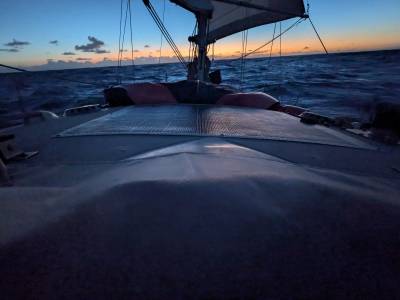
El Supertaff mide cuarenta y dos pies, casi trece toneladas y se enorgullece de ser de la década de 1970. Se construyó cuando el PRFV era más barato y no se sabía cuánto de este material añadir a los barcos para que duraran. Aquí en el mar, necesita presión para moverse e impulso para ser eficiente. Si el viento amaina, siente cada nudo que falta.
Esa realidad tiene una lección sencilla. La mayoría de las millas mar adentro se pierden por parar y arrancar. Si mantienes el rumbo, aparecerá un camino. Lo mismo ocurre en los negocios. La gente rara vez se queda atrás por falta de ideas; se queda atrás porque se detiene, duda o se reinicia con demasiada frecuencia. Veinticinco años de Boatshed han sido un largo recordatorio para mantenerse en movimiento el tiempo suficiente para que la ruta se revele.
1. El impulso es una elección, no un regalo.
Supertaff necesita diez nudos de presión para sentirse viva. Por debajo de eso, el movimiento sigue siendo importante. Un nudo, dos nudos, tres nudos, lo que sea necesario. Las brisas suaves no son un fracaso. Son el período en el que la paciencia es fundamental y la constancia lo es todo.
Una cantidad sorprendente de personas nunca se acostumbra a un progreso lento. Quieren viento o atajos. La navegación en alta mar no ofrece muchas. Tampoco construir un negocio real. Mantener una plataforma en movimiento, aunque sea poco a poco, es más productivo que esperar a que mejoren las condiciones.
Esta es la base de Boatshed. El impulso a largo plazo funciona. El pensamiento explosivo no.
2. Las decisiones se toman con datos imperfectos
Cada mañana en el ARC se comparan pronósticos. No coinciden. Los modelos cambian. Uno sugiere más viento. Otro promete menos. Un tercero tiene una visión completamente diferente. En alta mar, todavía hay que elegir un rumbo y comprometerse. La certeza es un lujo. El progreso es una decisión.
Lo mismo ocurre en los negocios. Las empresas pueden estancarse, no porque los líderes sean imprudentes, sino porque muchas esperan datos que nunca son perfectos. En el extranjero, no se puede esperar demasiado. El mismo sesgo se aplica en tierra.
Aquí es donde Nigel encaja. Él es nuestro filtro en el área técnica, convirtiendo la complejidad técnica en algo que una persona normal, como yo, realmente puede usar. No reemplaza el juicio. Elimina la fricción para que las decisiones se tomen con mayor rapidez.
Muriel desempeña el mismo papel en la comunicación. Transforma la vaguedad en claridad y traduce el lenguaje de los fundadores en algo que todo el equipo de Boatshed y el público pueden seguir. Si las señales son legibles, toda la organización avanza con menos tensión.
Los buenos sistemas no te ahogan en ruido. Mantienen el barco en movimiento.
3. Liderazgo sin gritos
Nunca ha habido gritos a bordo de Supertaff. No porque seamos muy amables, sino porque gritar casi siempre es evidencia de un liderazgo fallido en las primeras etapas de la cadena. Si alguien necesita que le griten en plena maniobra, suele significar que no se entendió el plan antes de que llegara la presión.
En algunos barcos de crucero y regatas en los que he participado como tripulante, gritar es habitual. Se convierte en teatro. En alta mar, con una tripulación pequeña y un largo camino por recorrer, el teatro es peligroso. Una cabina tranquila produce reacciones más rápidas y limpias.
Boatshed se basa en el mismo principio. Si un equipo no entiende la dirección o no quiere avanzar con ella, el negocio se vuelve ineficiente en mil aspectos insignificantes. La delegación fracasa. Los sistemas tienen una carga emocional para la que nunca fueron diseñados. El Stack de Corretaje Modular solo funciona porque las personas conocen su rol y la plataforma soporta la mayor parte de la carga. La calma vence a la fuerza. La claridad vence al ruido.
¿A dónde nos lleva todo esto?
CEO at Sea es simplemente una forma de notar lo que las millas me recuerdan sobre dirigir una empresa. Los mismos patrones se repiten una y otra vez. El impulso importa. Los datos rara vez son precisos. Los equipos tranquilos avanzan más rápido que los ruidosos. Nada de esto es teoría. Es simplemente lo que se hace evidente cuando pasas suficiente tiempo en alta mar.
BoatshedBusiness.com es la expresión práctica de esa filosofía. Un conjunto modular de servicios de corretaje que tanto particulares como empresas pueden integrar sin necesidad de reinventar nada. Funciona porque sus bases ya están probadas.
BoatshedLabs.com es donde se desarrollan los experimentos. La aplicación de excursiones en barco, la herramienta meteorológica personal que desarrollamos durante esta travesía y el siguiente conjunto de ideas forman parte de un ecosistema de tecnología marina más amplio que se va formando poco a poco. Estas herramientas están abiertas a la colaboración. Buscamos socios que quieran construir y ser copropietarios de las cosas, no solo observar desde la distancia.
Esa es la dirección del viaje. Avance tranquilo, impulso constante y una plataforma más amplia que se va formando a medida que avanzamos. El barco sigue avanzando y la ruta se aclara a medida que avanzamos.
galería de imágenes